Meet the five free-roaming animals that shape the New Forest - and what makes each one so special.
The New Forest is a place where animals roam free - not just for show, but as part of a centuries-old tradition that keeps this landscape alive. Wander along a woodland path or across an open heath trail, and you might find yourself sharing space with some of our most iconic residents.
Here’s your guide to the Big 5 of the New Forest - the animals that make this place feel unique and wondrous.
1. New Forest Ponies
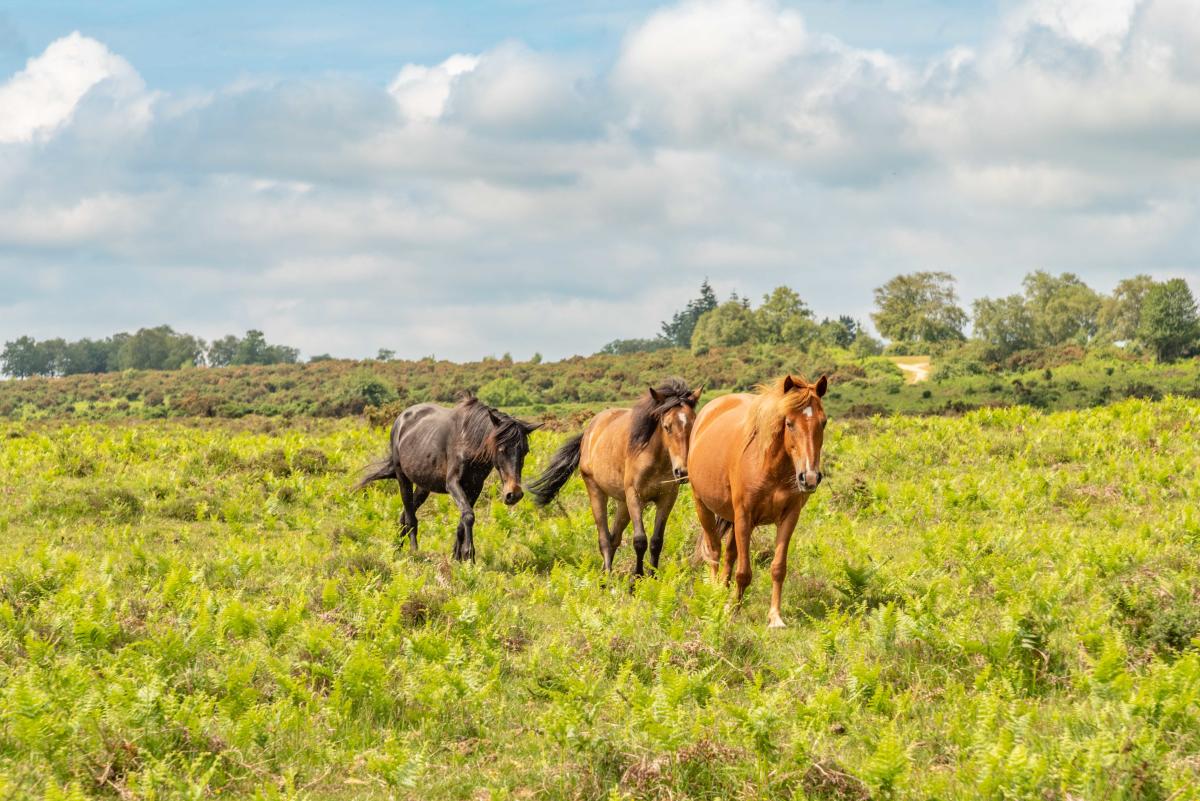
Let’s start with the most recognisable face of the New Forest. New Forest ponies are hardy, gentle, and a vital part of the landscape. There are around 5,000 of them, and they roam the heathlands and woodlands all year round.
These ponies are owned by local commoners - people who have ancient rights to graze their animals on the land. Every pony is marked and monitored, and although they may look wild, they’re carefully looked after through traditional practices like the annual drift (a round-up on horseback to check their health).
Always admire from afar — don’t feed, touch or approach them.
2. Donkeys
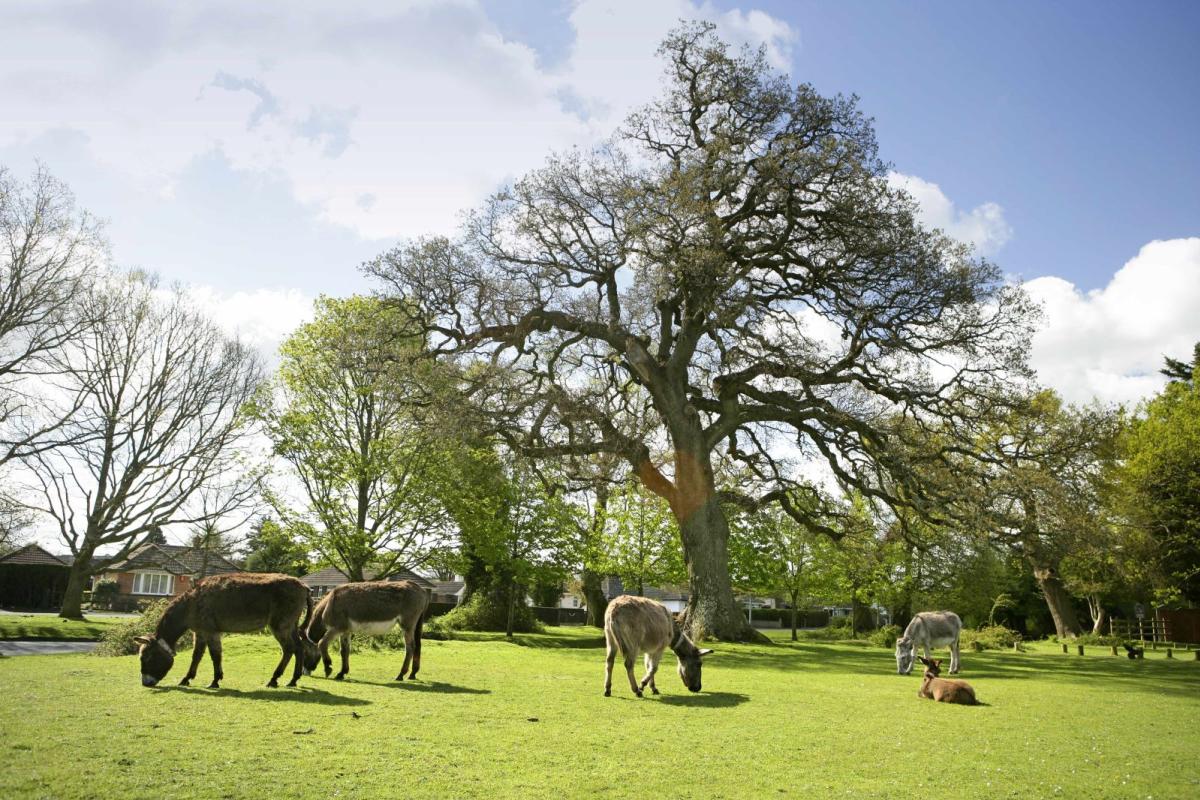
Charming, curious, and often found lingering near village shops and cafés, eating from roadside bushes and relaxing on open grassland, New Forest donkeys are a much-loved part of local life. They’re also owned by commoners and graze freely across the New Forest.
It’s really important to let them be. Feeding them can be dangerous to their health, and stroking might seem kind, but it teaches them to approach people (and cars) - which can lead to accidents.
You’re most likely to see donkeys around Brockenhurst and Beaulieu. Always keep your distance and drive carefully.
3. Cattle
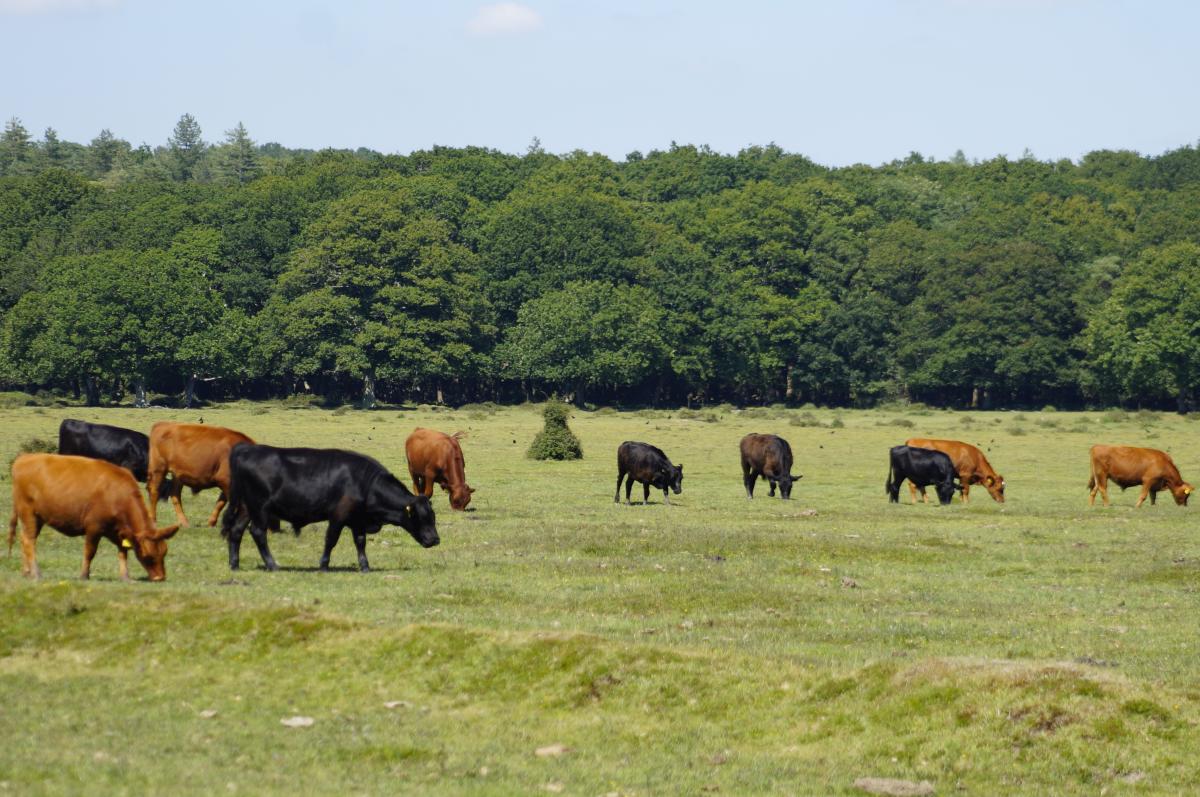
Yes, cows! You’ll often see Galloways and Hereford crossbreeds out on the open New Forest - grazing, sunbathing or wandering slowly along the verges. You may even spot Highland Cattle.
Like the ponies, they’re here for more than scenery. Grazing is essential to the New Forest’s ecosystem - it keeps open habitats like heathland and grassland healthy, helping rare plants and insects thrive.
Look out for cattle in places like Brockenhurst, Nomansland and Minstead - especially in the warmer months. Always keep your distance.
4. Deer
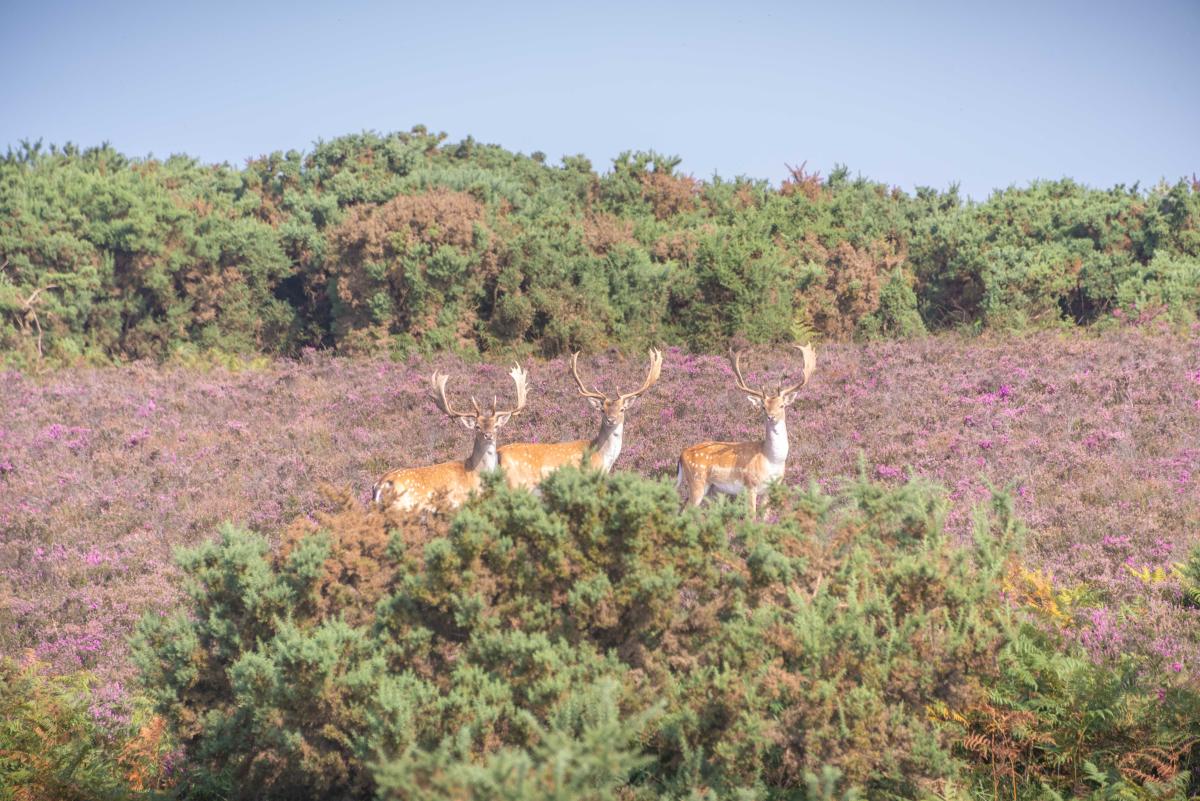
The New Forest is home to five species of deer - fallow, roe, red, sika, and muntjac. Unlike the others in this list, they aren’t owned by commoners, and they’re not always easy to spot. But catch a glimpse of a red deer through the morning mist, and you’ll understand why they’re so cherished.
Fallow deer are the most commonly seen, often near Bolderwood Deer Sanctuary, where a viewing platform lets you watch them.
To increase your chances, visit early or late in the day and tread quietly.
5. Pigs
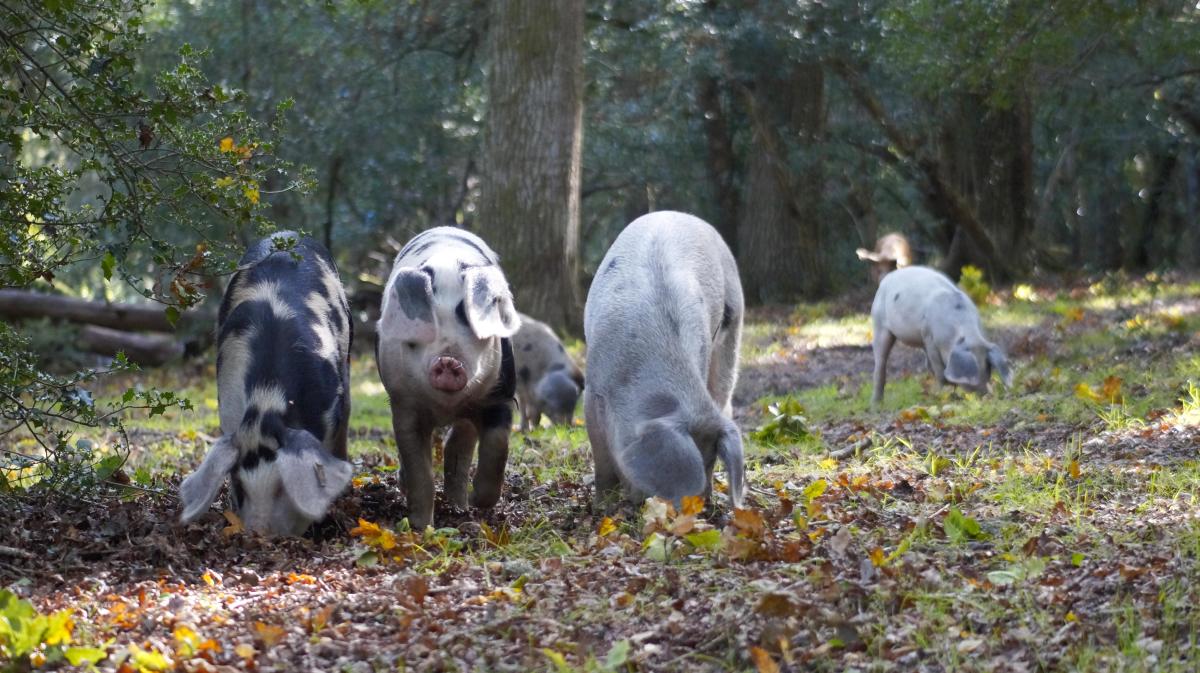
And not just any pigs - these are the New Forest’s autumn heroes. During the ancient practice of pannage, commoners release pigs into the New Forest to eat fallen acorns, which can be harmful to ponies and cattle.
This usually takes place in September to November, and it’s the only time of year when pigs roam freely. Watch out for their snuffling, trotting and joyful wallowing in the mud.
Best places to spot pigs during pannage: near Bramshaw, Burley and across the northern New Forest.
Watch the pigs from a distance and don’t feed them, they have plenty of natural food on the forest, and it’s the whole reason you’ll see them out in the New Forest!
Why it matters
These animals aren’t just beautiful to watch - they’re the heart of the New Forest. The way they move, feed and live here is what keeps the landscape open, balanced and thriving.
They also connect us to hundreds of years of history. The rights that allow them to roam are deeply tied to New Forest traditions and the lives of those who care for it.
Be a respectful visitor – follow the New Forest Code
We can all help protect the Big 5. Here’s how:
- Don’t feed or touch any animal, no matter how friendly they seem.
- Drive slowly and with care – animals often walk on roads and have the right of way over vehicles and bikes.
- Keep dogs on leads near free-roaming animals.
Follow the New Forest Code to help care for this special place.
Want to learn more about the New Forest’s wildlife and commoning traditions? Visit the New Forest Heritage Centre in Lyndhurst or take a guided walk with a local expert or a Ranger.
Let the Big 5 inspire you - not just to visit, but to care for this rare and remarkable landscape.