New Forest Reptiles

The New Forest is one of the most important places in the UK for reptiles. In fact, it’s the only area in the country where you can find all six native reptile species - making it a truly unique destination for nature lovers. Our sun-warmed heathlands, damp grasslands and quiet woodland clearings provide the perfect habitats for snakes and lizards to thrive.

From the shy smooth snake to the vibrant sand lizard, each species plays an important role in the New Forest’s rich ecosystem. Some are masters of disguise, while others bask boldly on paths and rocks. Read on to discover what to look for - and where to find them.

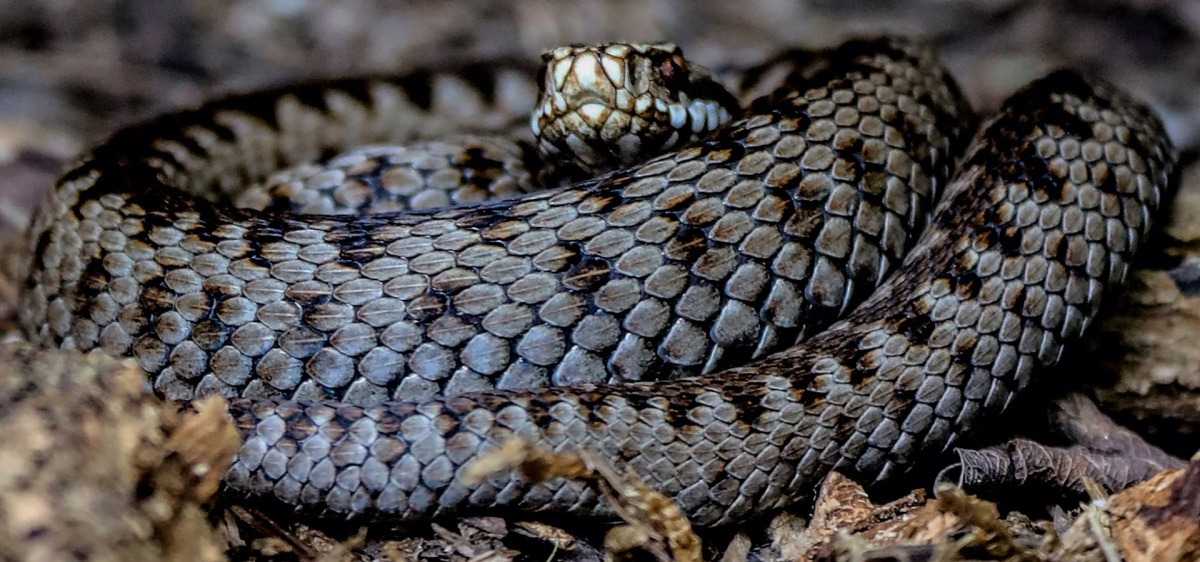
Adder

Britain’s only venomous snake, the adder is usually spotted by its distinctive dark zigzag running down a pale grey or brown back. Despite its reputation, adders are shy and prefer to avoid people. They’re most often seen basking in the sunshine along heathland tracks and woodland edges from spring through to early autumn.

Adders don’t lay eggs; instead, they give birth to live young - tiny snakelets about the size of an earthworm. They hibernate from late September to March and feed on small rodents, amphibians and lizards. While a bite is rare, it can happen if an adder feels cornered or threatened, so always admire from a distance.

Adder in the New Forest

Smooth Snake

Secretive and rarely seen, the smooth snake is one of the UK’s rarest reptiles - and the New Forest is one of the only places you’ll find them. Smooth snakes are often mistaken for adders but can be identified by their slimmer build, rounder head and lack of zigzag markings.

They spend most of their time hidden beneath heather or burrowed into sandy soil, feeding on small mammals and reptiles. Smooth snakes are non-venomous and pose no risk to humans. Their elusive nature makes spotting one a real treat for reptile enthusiasts.

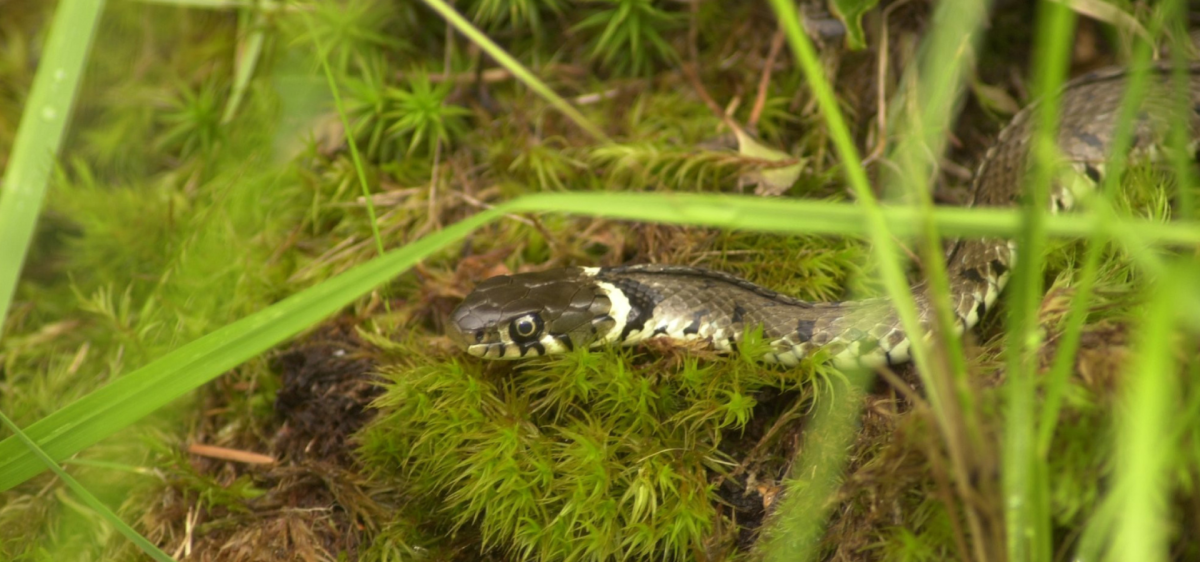
Grass Snake

The grass snake is Britain’s longest snake and completely harmless to humans. Look out for its olive-green body, black markings, and tell-tale yellow collar around the neck. These snakes are strong swimmers and are often found near ponds, bogs, and wetland areas like Eyeworth Pond.

Grass snakes feed on frogs, toads and occasionally small fish. If disturbed, they may hiss, play dead, or release a foul-smelling scent as a defence. Keep a quiet lookout in dense vegetation or sunlit verges near water.

Grass snake in the New Forest

Slow Worm

Despite its name and appearance, the slow worm is actually a legless lizard, not a snake. It has smooth, shiny skin - usually bronze or grey - and often lives under logs, stones or garden compost heaps. They love damp, grassy areas and tend to avoid open sun.

Slow worms are beneficial in gardens as they feed on slugs, snails and insects. They are completely harmless and one of the easiest reptiles to encounter, often found where people least expect them!

Sand Lizard

The sand lizard is one of Britain’s rarest reptiles, once nearly extinct. Thanks to conservation efforts, including reintroductions led by the New Forest Reptile Centre, they now survive in a few select places - including the New Forest’s dry heathlands.

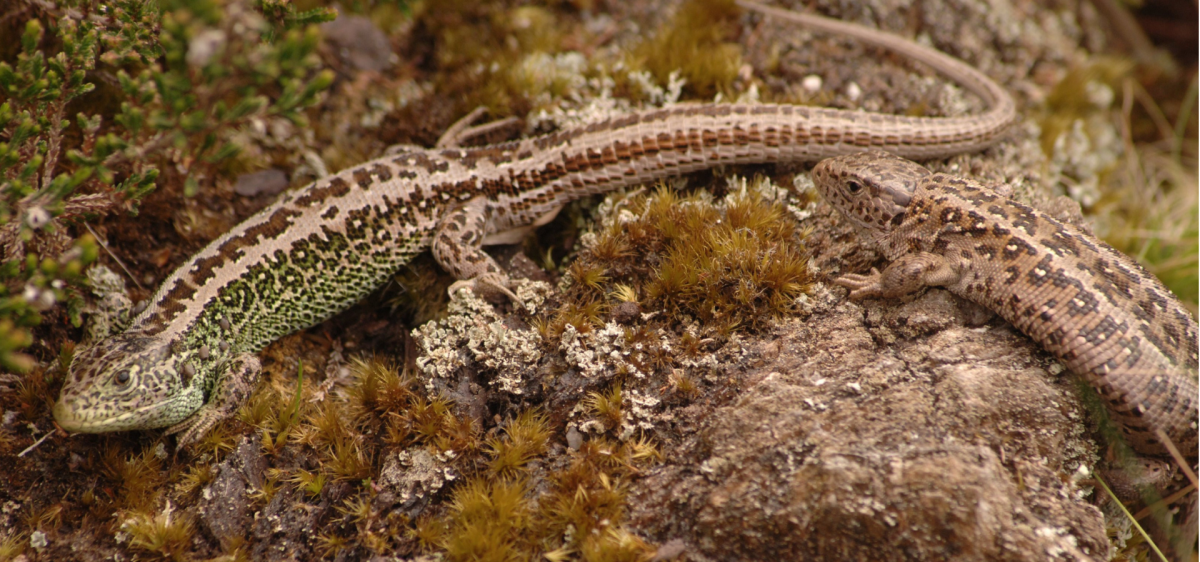
Males develop striking green flanks during the breeding season, making them easier to spot in spring and summer. Sand lizards lay eggs in sunny, sandy patches and feed on insects such as grasshoppers and beetles. They can grow up to 20cm long and are most active on warm, still days.

Sand lizards in the New Forest

Common Lizard

The common lizard is the most frequently spotted reptile in the New Forest. Small, fast and often sunbathing on paths, rocks or fence posts, these lizards are typically brown or grey with mottled patterns. They grow up to 15cm and are good swimmers too.

Common lizards are active during warm weather and are especially fond of heathland and grassland areas, as well as stream edges and woodland glades.

Where to learn more

New Forest Reptile Centre

Located just outside Lyndhurst, the New Forest Reptile Centre is the best place to see all six native reptile species up close. Specially designed open-air enclosures (called ‘pods’) house reptiles in natural surroundings, and helpful wardens are on hand to answer your questions.

Guided Walks

For a deeper dive, Wild New Forest Guided Tours can take you out on a guided walk where you may spot a reptile or two. These unique walks help you understand more about these shy creatures, their habitats, and how we can help protect them.

Check our What’s On pages throughout the year for more wildlife-focused events and tours.

Helping reptiles in the New Forest

The New Forest is a living landscape, and we all play a part in keeping it safe for wildlife. Please follow the New Forest Code:

  • Stick to main paths, especially during spring and summer when reptiles are most active.

  • Never disturb basking animals - use binoculars or a camera zoom for a closer look.

  • Don’t remove logs, rocks or woodpiles - they’re essential homes for many reptiles.

  • Keep dogs under control and on leads near heathland habitats.

Come and experience ‘A Date With Nature’ at the New Forest Reptile Centre. Using the latest hi-tech gadgets you can look right into the tree-top nests of the New Forest Goshawk and watch their every move – from eggs hatching to food arriving and chicks leaving. Want to find out…

Follow The New Forest on Instagram