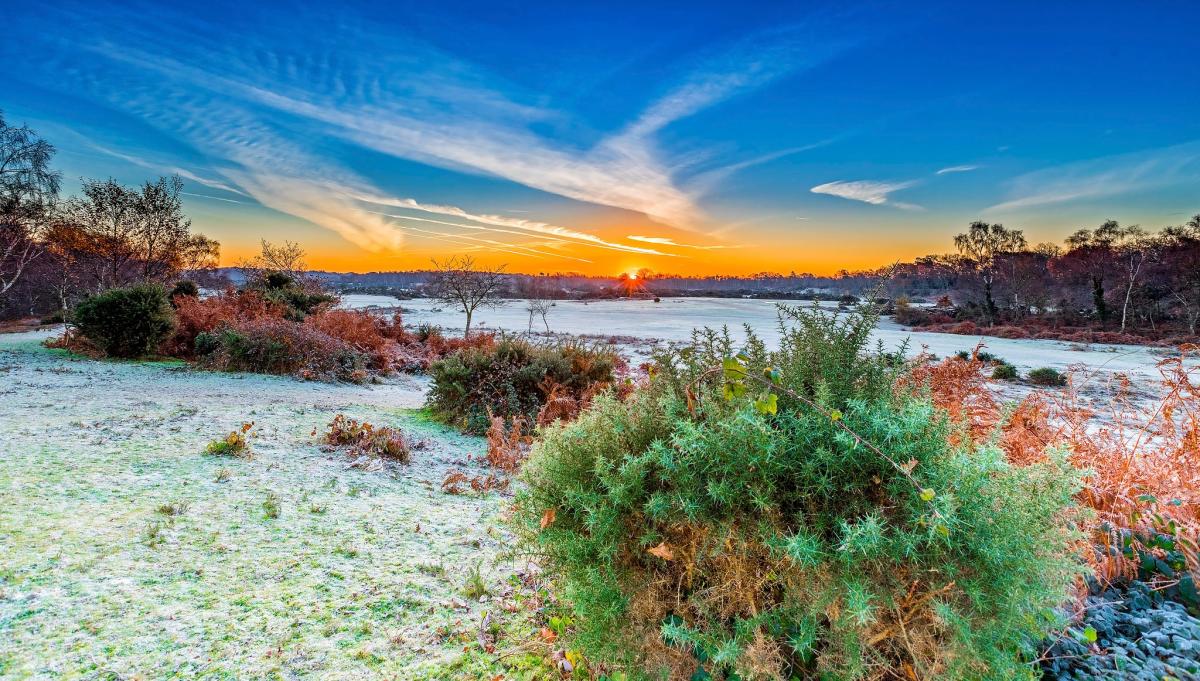
As the seasons turn and winter takes hold, the New Forest reveals a quieter kind of beauty. The air is crisp, the trees are bare, and the landscape opens up - giving you a front-row seat to the forest’s unique nature and wonderful residents. From hardy ponies and foraging pigs to rare birds along the coast and budding gorse bushes, there’s still plenty of wildlife to spot in the colder months.
Here’s what to look out for this winter…
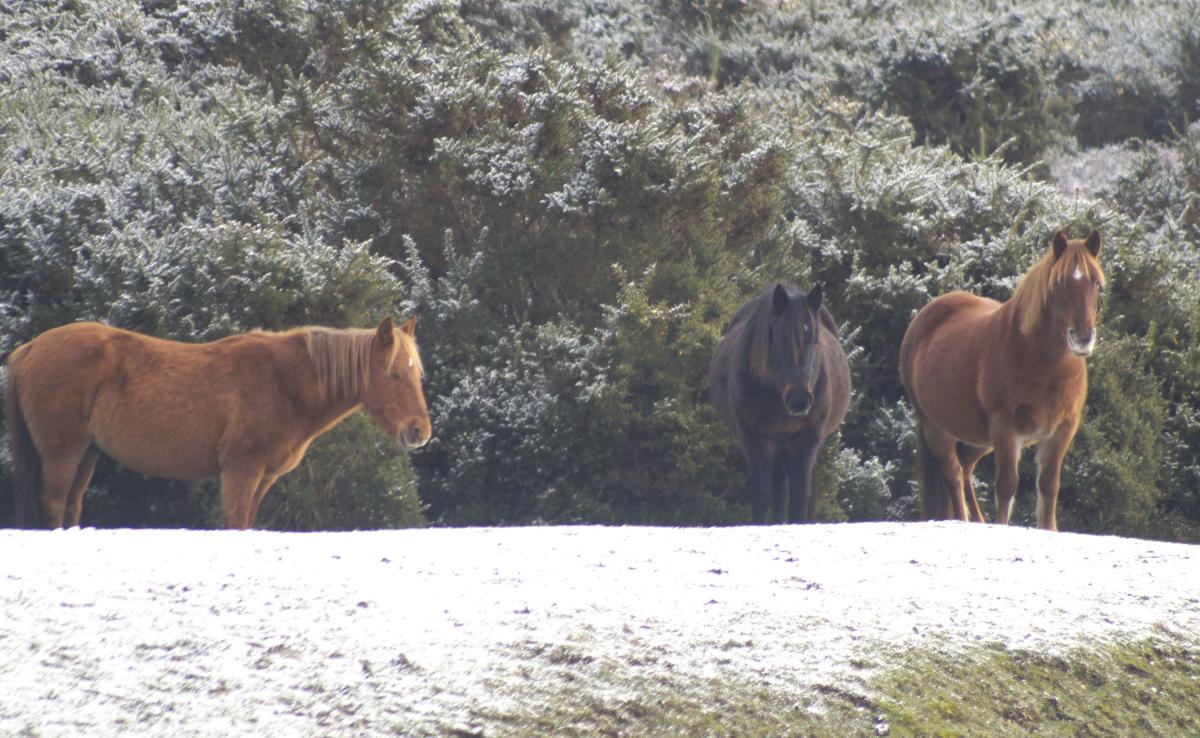
Ponies: hardy and happy
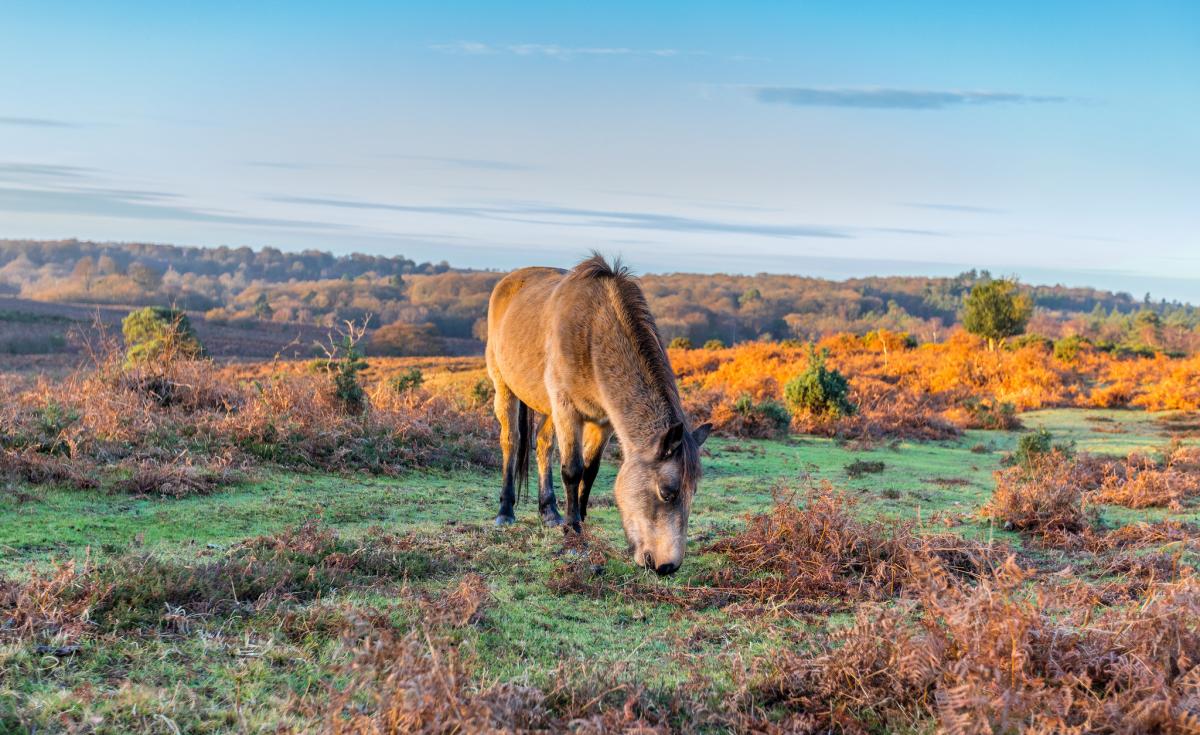
The New Forest’s most iconic residents - the free-roaming ponies - are well adapted to life outdoors, even in the depths of winter. Their thick winter coats keep them cosy as they graze across open heathland and through ancient woodlands. You’ll see them in small herds, often sheltering under trees or wandering across the frosty landscape.
Top tip: Ponies may look friendly, but don’t feed or touch them - always admire from a distance and follow the New Forest Code.
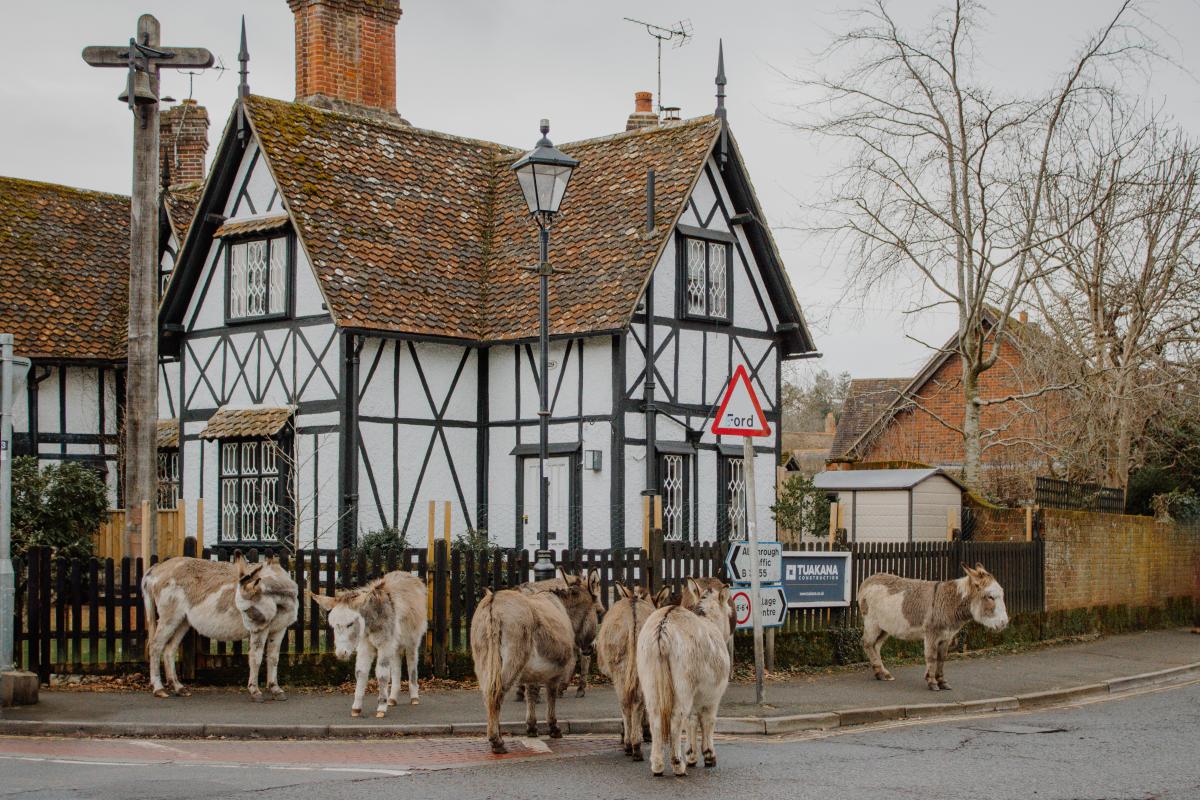
Donkeys: winter-loving charmers
Equally tough, the free-roaming donkeys are surprisingly at home in colder weather. You’ll often find them wandering through villages such as Beaulieu, Brockenhurst and Burley, taking a curious interest in passers-by and foraging for winter greenery. They’re full of character and always a joy to spot.
Please also keep your distance from the donkeys – don’t touch or feed them.
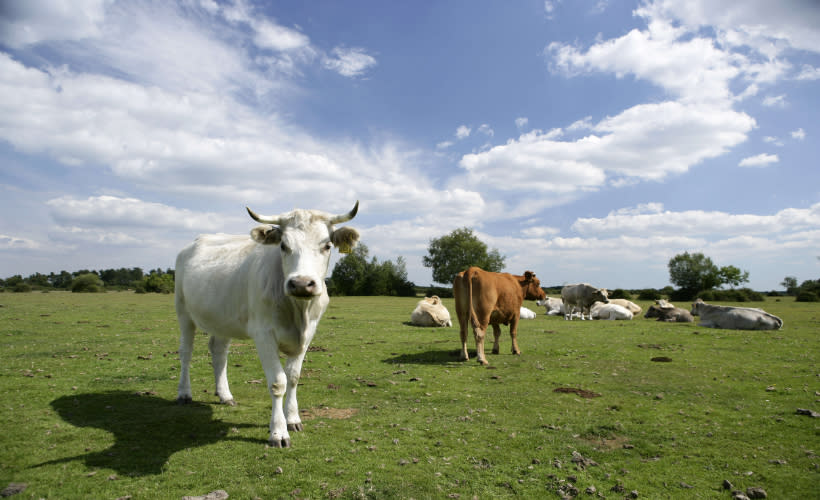
Cattle: still grazing, just fewer of them
While many cattle are brought in during the colder months, you might still see a few - even including the occasional Highland cow with its shaggy coat and whacky fringe - grazing on the open forest. These gentle giants are part of the commoning culture and help manage the landscape.
Never approach cattle in the New Forest. Admire them from afar.
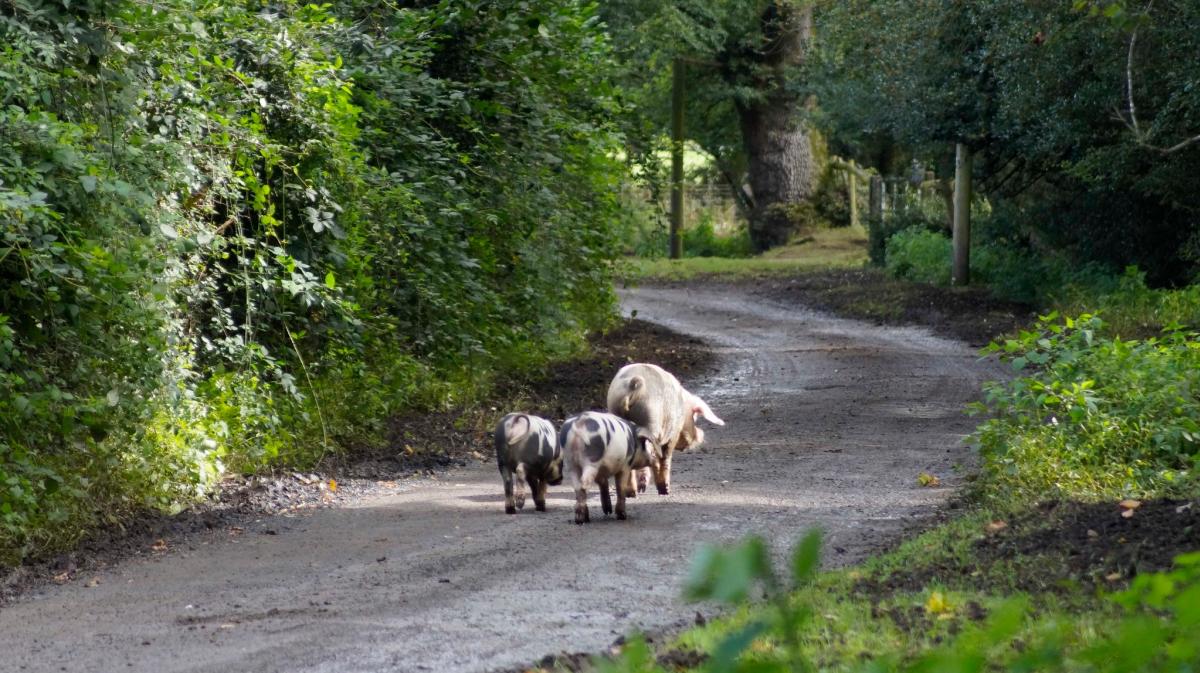
Pigs: pannage season extended
Usually wrapping up in November, the pannage season - when pigs are released to eat fallen acorns - has been extended into early January for the 2025/26 season. This is to help manage a bumper acorn crop this year. You’ll spot pigs rooting around the forest floor, clearing the way for ponies and other animals. Look out for ear tags and nose rings - every pig is owned and carefully looked after by a local commoner.
Never touch or feed the pigs – they’re happiest being left to do their thing and have plenty to eat in the forest… that is what they’re here for after all.
Deer: best seen at dawn or dusk
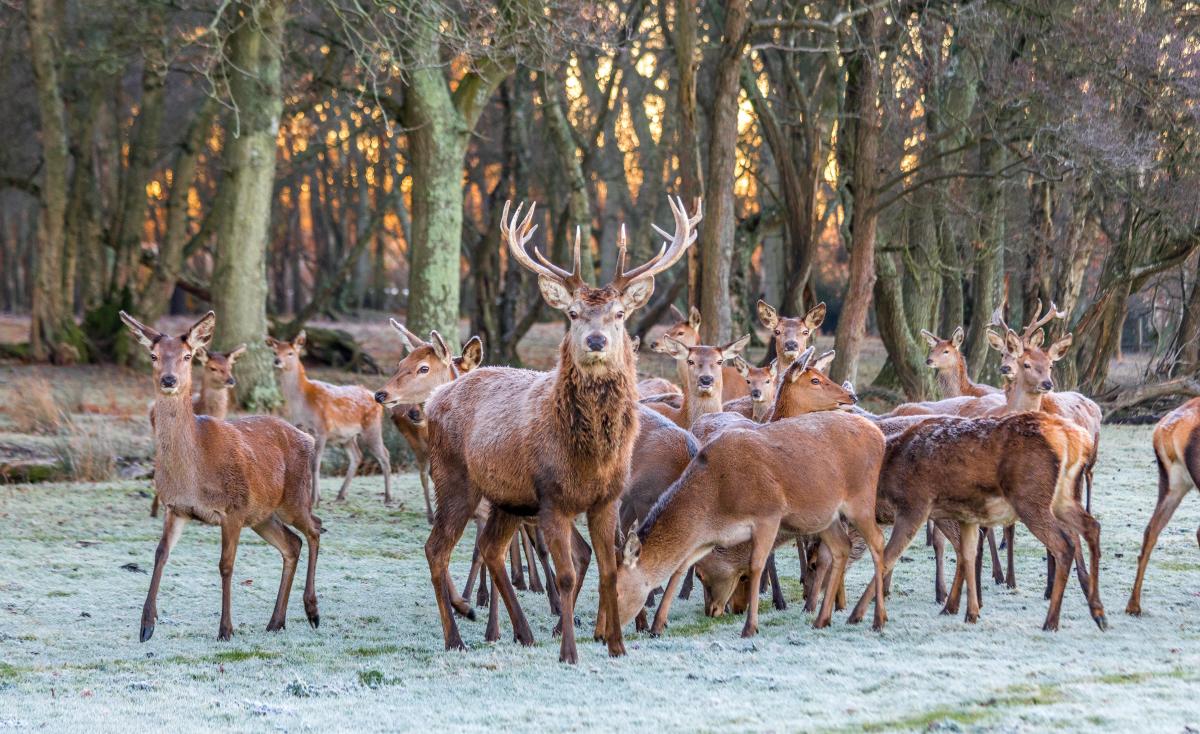
Deer thrive in the colder months and winter is one of the best times to observe them. With fewer leaves on the trees and quieter paths, you’re more likely to spot a group moving gracefully through the forest. The New Forest is home to five species of deer:
- Fallow
- Roe
- Red
- Sika
- Muntjac
Head to Bolderwood Deer Sanctuary and step onto the viewing platform or follow one of our quieter woodland trails at sunrise or sunset for the best chance of a sighting.
Birdwatching on the coast
Winter brings a whole new crowd of feathered visitors to our coastal nature reserves. Head to Lymington Keyhaven Nature Reserve, a haven for winter migratory birds. You could spot:
- Brent geese
- Wigeons
- Pintails
- Redshanks
- Curlews
- Avocets
And if you’re lucky, even a grey seal bobbing in the Solent’s icy waters.
Bring binoculars, wrap up warm and walk the coastal paths for some peaceful winter wildlife spotting.
Other forest wildlife
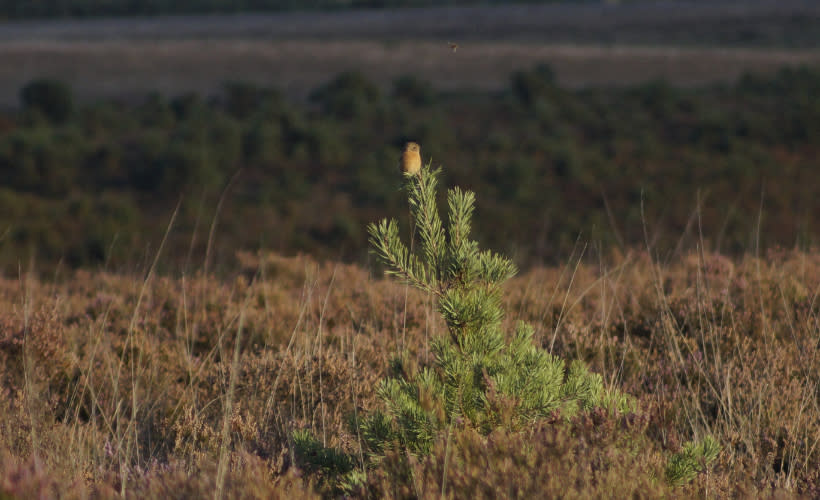
Foxes and badgers may slow down in winter, but they don’t hibernate. On quiet mornings or late afternoons, you might spot a fox trotting across a track, or see signs of badger activity like freshly dug soil or well-worn trails. Squirrels, birds and small mammals remain active, busy foraging and sheltering.
Winter flora and forest beauty
Though the trees are bare, there’s a unique beauty to the forest in winter. Clear views, more visible wildlife, and the soft, low light make it ideal for photographers and nature lovers. Look out for:
- Fungi in all shapes and colours sprouting from logs and leaf litter. Look but don’t pick!
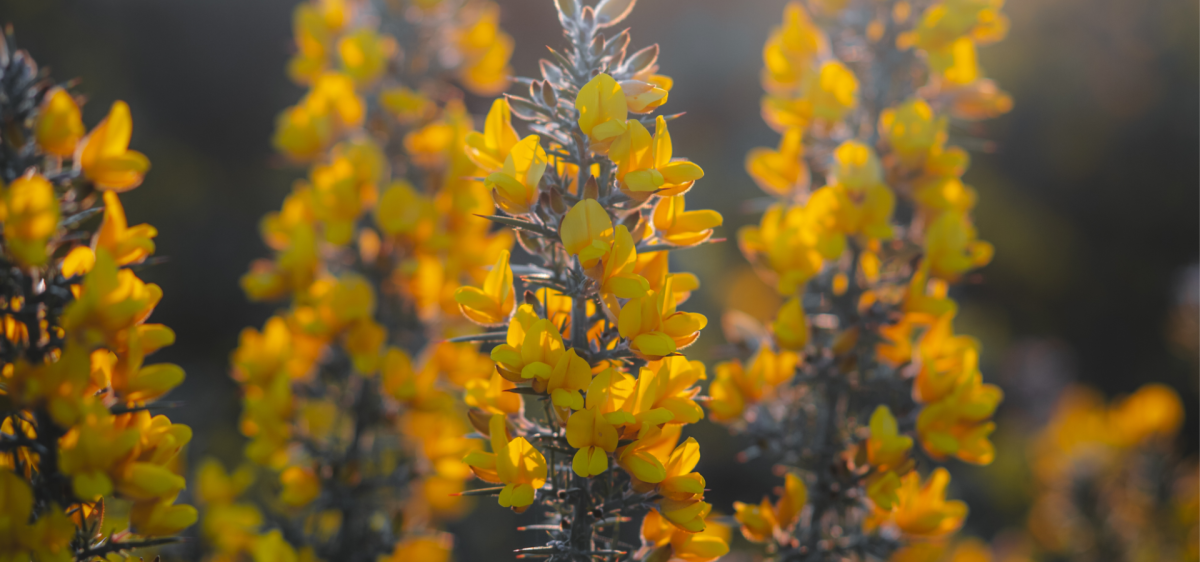
- Gorse with bright yellow buds emerging from December onwards
- Holly bushes with glistening red berries adding colour to the green
- Mosses and lichens, vibrant against the winter landscape
Even without the summer foliage, the forest is full of texture, colour and quiet wonder.
Help protect the wildlife you love
However you choose to explore, always follow the New Forest Code:
- Keep dogs under close control
- Don’t feed or touch the animals
- Take your litter home
- Park only in designated areas
- Stick to paths and bridleways
Plan your winter wildlife adventure
Winter is a magical time in the New Forest. Whether you're here for the day or staying longer, grab your camera, lace up your boots, and discover a wilder side of the season.
Explore our walking and cycling pages, check out our coastal routes, or browse our wildlife section to learn more.