


When dusk falls and the trees cast long shadows across the heathland, the New Forest can feel like a landscape made for storytelling.
For centuries, tales of dragons, giants, witches, ghosts, pixies and strange creatures have been woven into the history of this ancient landscape. Some explain familiar landmarks, others have been passed from one generation to the next, and a few might just make you look over your shoulder the next time you're walking beneath the trees.
The New Forest was once known as Ytene or Ettinwood, and its folklore stretches back through generations. Here are just a few of the tales that have become part of its story.
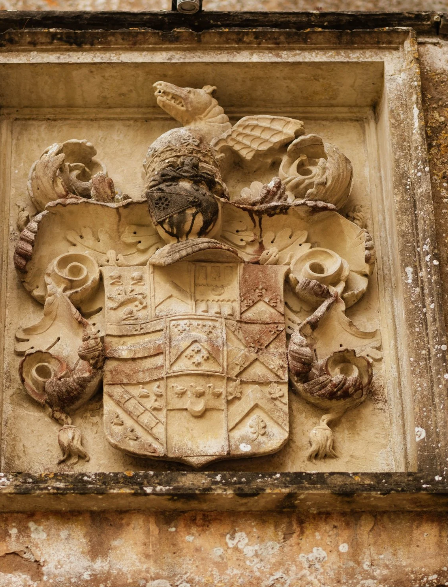
Image - Bisterne Arms
The Bisterne Dragon
Long ago, according to legend, a fearsome dragon made its lair upon Burley Beacon. The beast terrorised the village of Bisterne, breathing fire and demanding pails of milk and cattle. Eventually, the villagers turned to Sir Maurice de Berkeley, Lord of the Manor of Bisterne, for help.
A great battle followed, ranging across the New Forest until the wounded dragon finally came crashing down at Boltons Bench in Lyndhurst. Here, the story says, the dragon was slain - the arch of its back forming the familiar hill we see today.
Sir Maurice did not survive the battle either. As he died beside the dragon, his yew-wood bow fell from his hand, took root in the earth and grew into the yew trees standing upon the hill.
Next time you're at Boltons Bench, perhaps you'll see it a little differently.
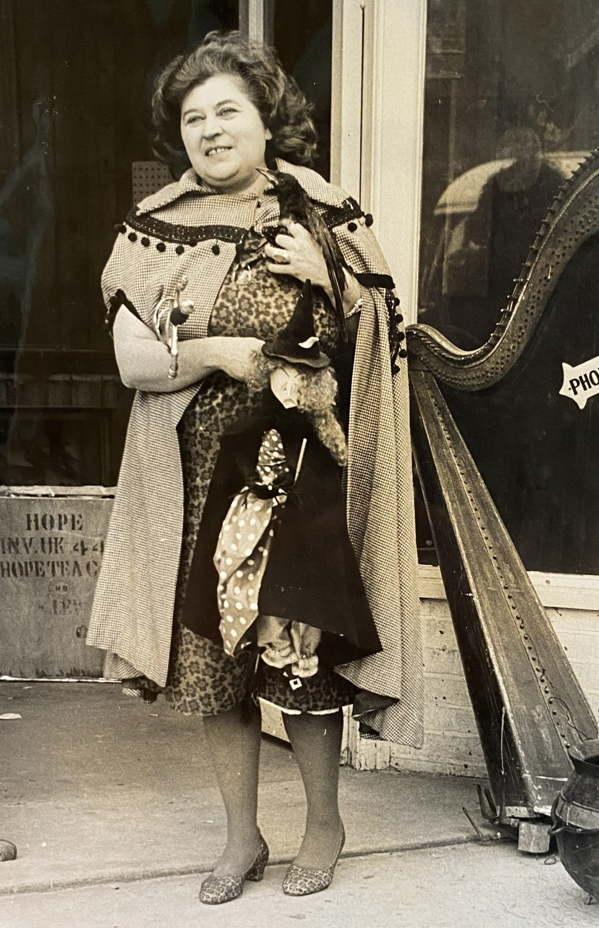
Image - Sybil Leek outside her shop
Where witches walked
Few New Forest villages are as closely associated with witchcraft as Burley. Much of its modern reputation can be traced to Sybil Leek, the astrologer, author and self-styled witch who lived in the village during the 1950s. She became a familiar figure walking through Burley wearing her cloak, often accompanied by her pet jackdaw, Mr Hotfoot Jackson.
Sybil's fame brought national attention to Burley and helped establish its lasting reputation as the New Forest's “witch village”.
But Burley isn't alone.
In 18th-century Beaulieu, stories were told of Mary Dore, who was said to transform herself into a hare, cat, owl or hen. One particularly wonderful tale claims that, after returning to Beaulieu to find her cottage demolished, Mary transformed into an owl, flew off in search of a special piece of wood and used it to grow herself an entirely new cottage.
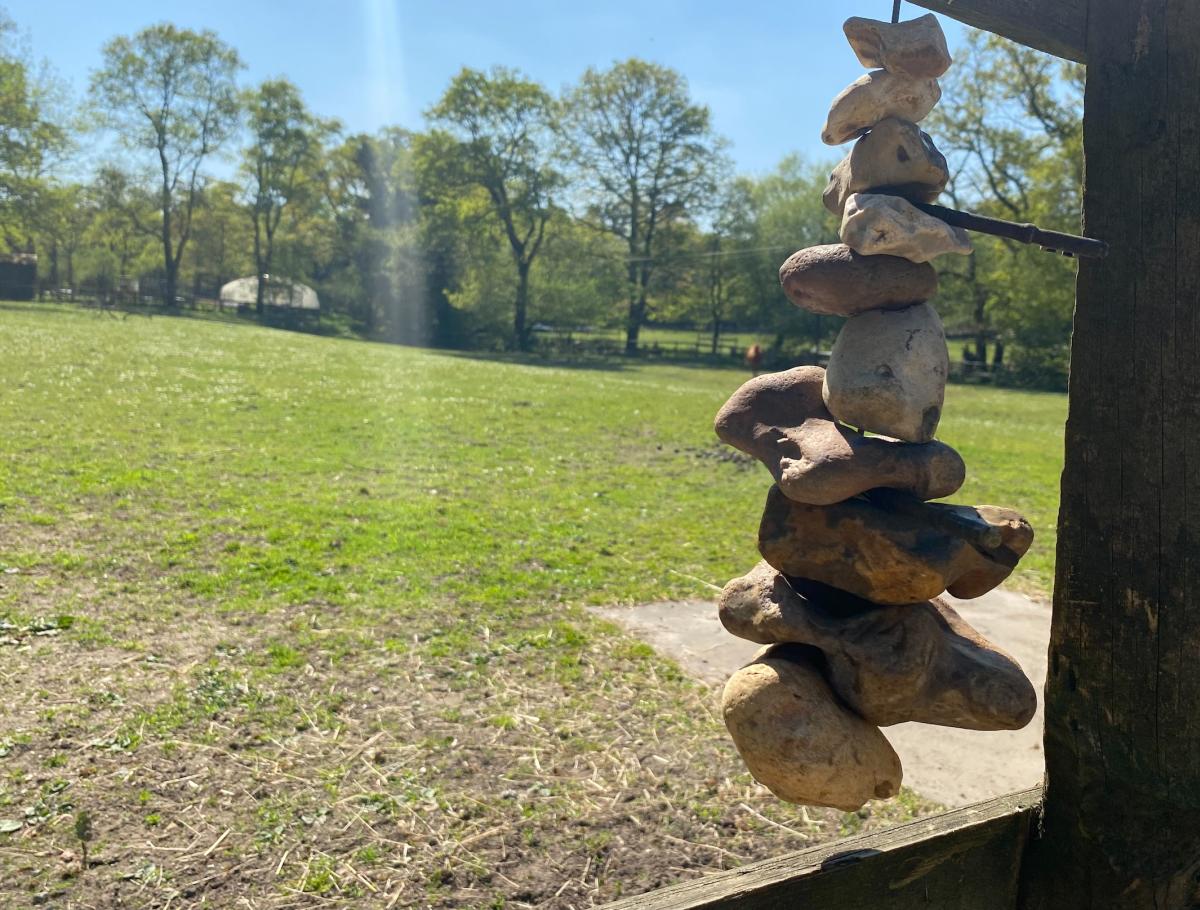
Image - Colt Pixy Charm
Beware the Colt Pixy
If a mysterious pony appears ahead of you on a lonely New Forest track, folklore suggests you might want to think twice before following it.
The Colt Pixy is a local trickster spirit said to take the shape of a small New Forest pony, enticing walkers, horses and riders towards boggy ground.
Pixies have long been part of New Forest folklore, and the Colt Pixy's influence can even be found in old place names. Stories also linked it to the mysterious “hag-riding” of horses - ponies supposedly charmed by fairies or witches into galloping through the night, only to be found the next morning exhausted, muddy and with “fairy-knots” tangled into their manes.
It even gave rise to the local expression “as ragged as a Colt Pixy”, describing someone - or something - looking particularly wild and untamed.
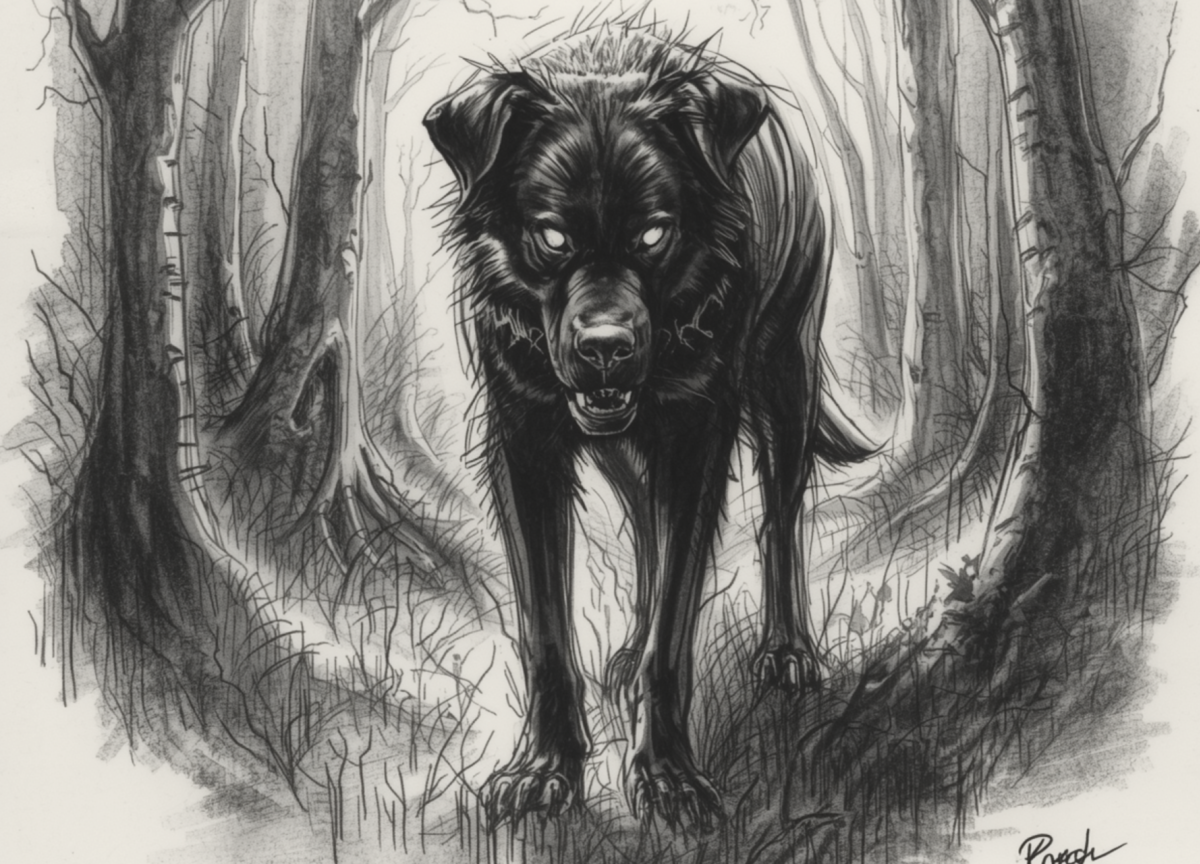
Image - Black Shuck
Ghostly paws on New Forest roads
Not every creature in New Forest folklore is quite so playful. Stories tell of spectral Black Dogs pacing lonely roads, sometimes accompanying ghostly carriages. They have been described as enormous creatures with eyes “as large as saucers”, appearing as omens, tricksters and sometimes even protectors.
One Black Dog is woven into the story of William Rufus, who was killed while hunting in the New Forest in 1100. Legend says that monks had visions of the King being dragged to hell upon the back of a Black Dog before his death. After Rufus was killed, the creature was said to have followed the cart carrying his body all the way to Winchester.
Perhaps unsurprisingly, a moonlit walk home through the New Forest once came with a little more trepidation.
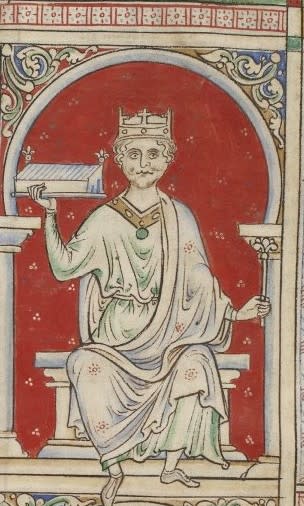
Image - William Rufus
The strange death of the Red King
The death of William II - William Rufus, or ‘the Red’ - is one of the New Forest's best-known stories. On 2 August 1100, the King set out hunting from Castle Malwood despite ominous dreams and warnings supposedly predicting his death.
During the hunt, an arrow struck and killed him. Sir Walter Tyrrell fled the scene, immediately becoming the prime suspect.
Legend says Tyrrell stopped at Ocknell Pond to wash the King's blood from his hands before having his horse's shoes reversed at a blacksmith's forge, hoping to send anyone pursuing him in the wrong direction.
Today, Rufus Stone commemorates the traditional location of the King's death - although exactly where it happened remains disputed.
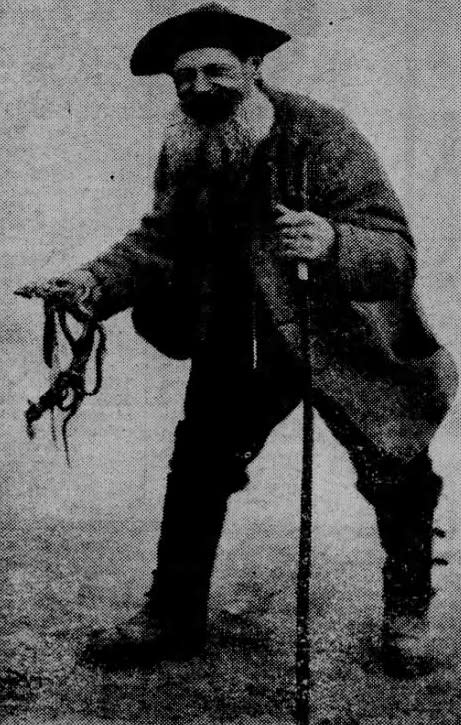
Image - Brusher Mills
Brusher Mills: from local character to New Forest legend
Not every New Forest legend involves the supernatural.
Born in 1840, Harry ‘Brusher’ Mills lived for almost 20 years in a charcoal burner's hut near Brockenhurst and became famous for an unusual profession: catching snakes.
Armed with a forked stick he called his “staff of office”, a tin and his bare hands, Brusher is said to have caught thousands of adders and grass snakes. He sold them to collectors and London Zoo, among others, and even made his own remedies - including “Adder Oil” for rheumatism.
By the time he died in 1905, Brusher had become a New Forest legend in his own lifetime. His favourite Brockenhurst pub, The Railway Inn, was later renamed The Snakecatcher in his memory.

Image - Lazy Lawrence
Got a touch of the Lawrence?
And finally, a piece of New Forest folklore you may find particularly useful after a long lunch.
Lazy Lawrence was a local fairy or imp believed to cause laziness. The old New Forest sayings “he's got a touch of the Lawrence” or “Lawrence has got upon him” were used when someone was feeling particularly idle or sluggish.
Lawrence was closely associated with orchards and apples - and, rather wonderfully, the sluggishness that might follow one too many ciders.
He was also regarded as a trickster who deceived travellers, connecting his story with both the Colt Pixy and another thievish spirit known as the Shammocking Dog.
So next time you find yourself reluctant to leave a cosy New Forest pub, perhaps Lazy Lawrence is to blame.
A location filled with stories
Dragons beneath familiar hills. Witches transforming into hares. Phantom ponies leading travellers astray. Black Dogs roaming dark lanes. The folklore of the New Forest adds another layer to an already extraordinary landscape.
These stories have travelled through generations, connecting real people, places and traditions with something stranger and more mysterious. And once you know a few of them, it's difficult not to see the New Forest differently.
The next time you're walking beneath an ancient oak, crossing the heathland at dusk or following an old track through the trees, keep your eyes open.
You never quite know what stories might be hiding there.

About Vikki Bramshaw
This blog has been adapted from research and writing by Vikki Bramshaw, author and folklorist specialising in the traditions, legends and folk beliefs of the New Forest.
Vikki is the author of New Forest Folklore, Traditions & Charms and runs the New Forest Folklore Society, exploring and sharing the stories, customs and folklore that form part of the New Forest's rich cultural heritage.